Engines & Major Assemblies
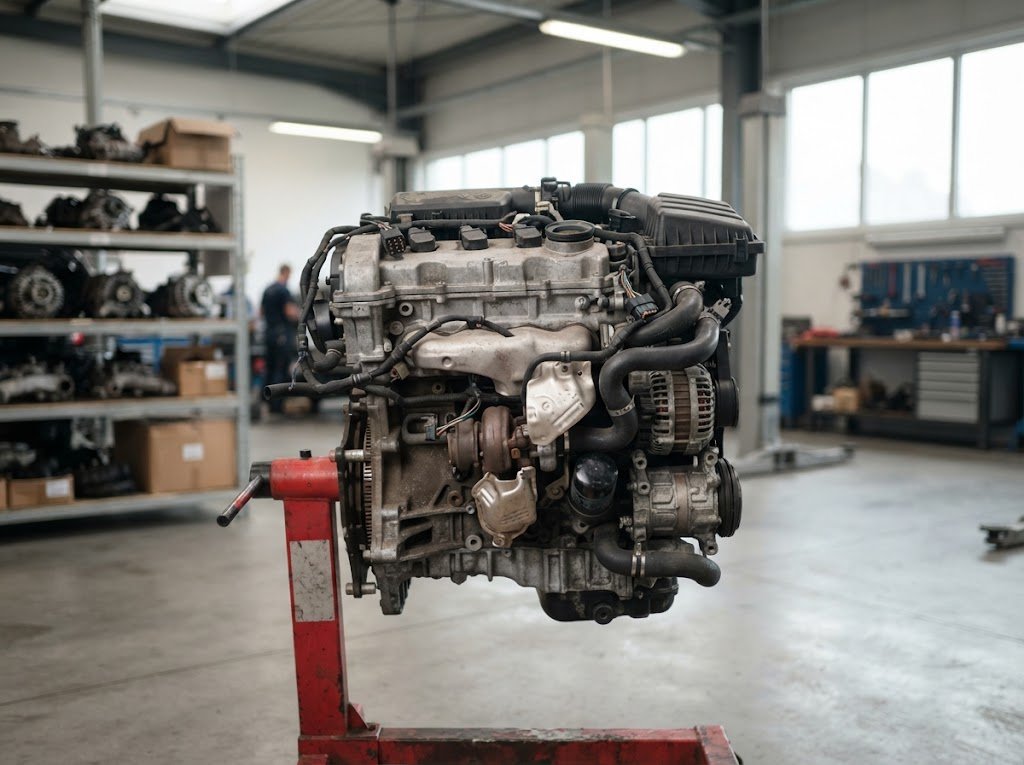
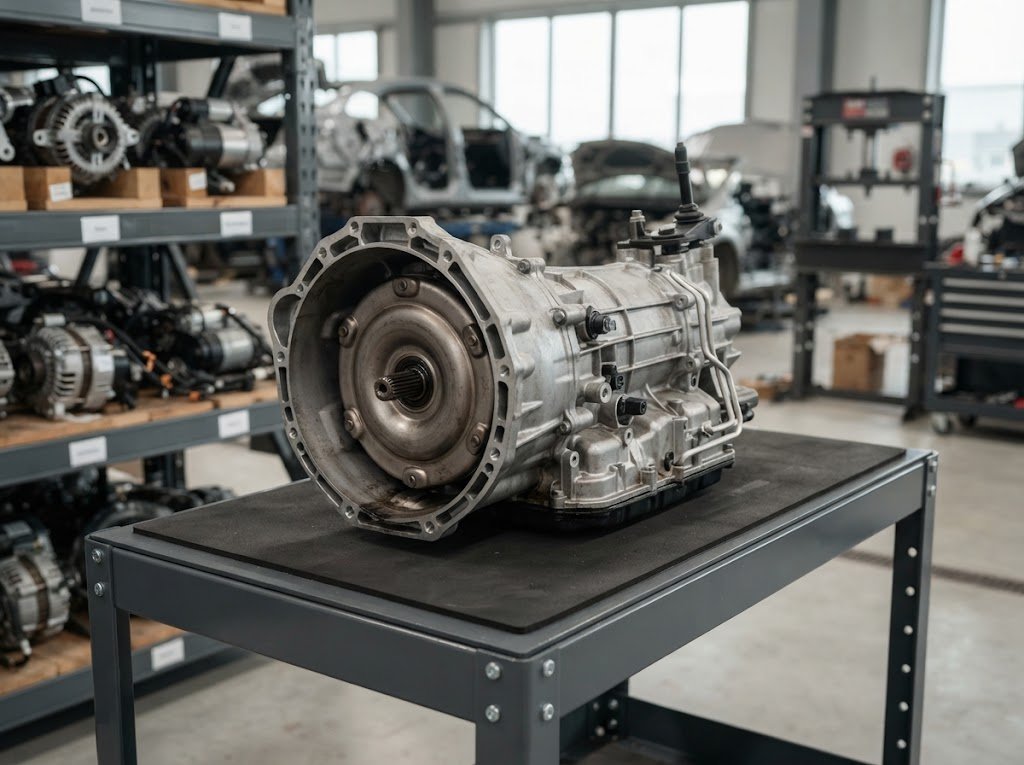
Depending on condition, engines and major mechanical assemblies may be identified for further recovery and processing.
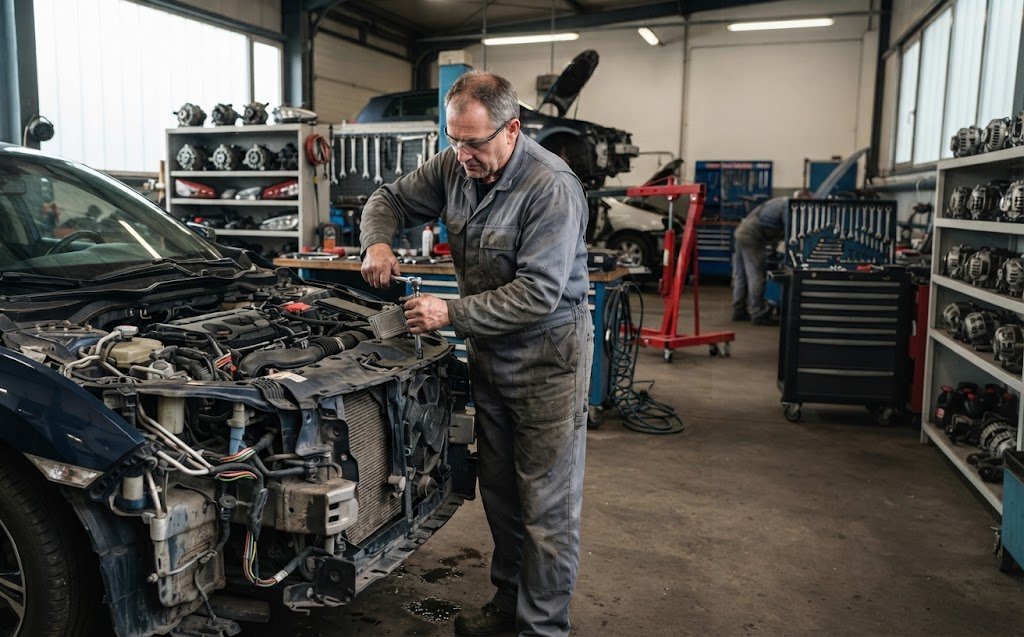
Salvage Bali Auto professionally dismantles accident-damaged, end-of-life and non-running vehicles to identify reusable automotive components, recover valuable materials and ensure every vehicle is processed with purpose.
Every damaged vehicle contains components with different levels of recovery potential. Our dismantling process focuses on identifying usable parts, separating recoverable components and preparing valuable automotive materials for their next stage of use or responsible recycling.
Identify the vehicle's condition and components with recovery potential.
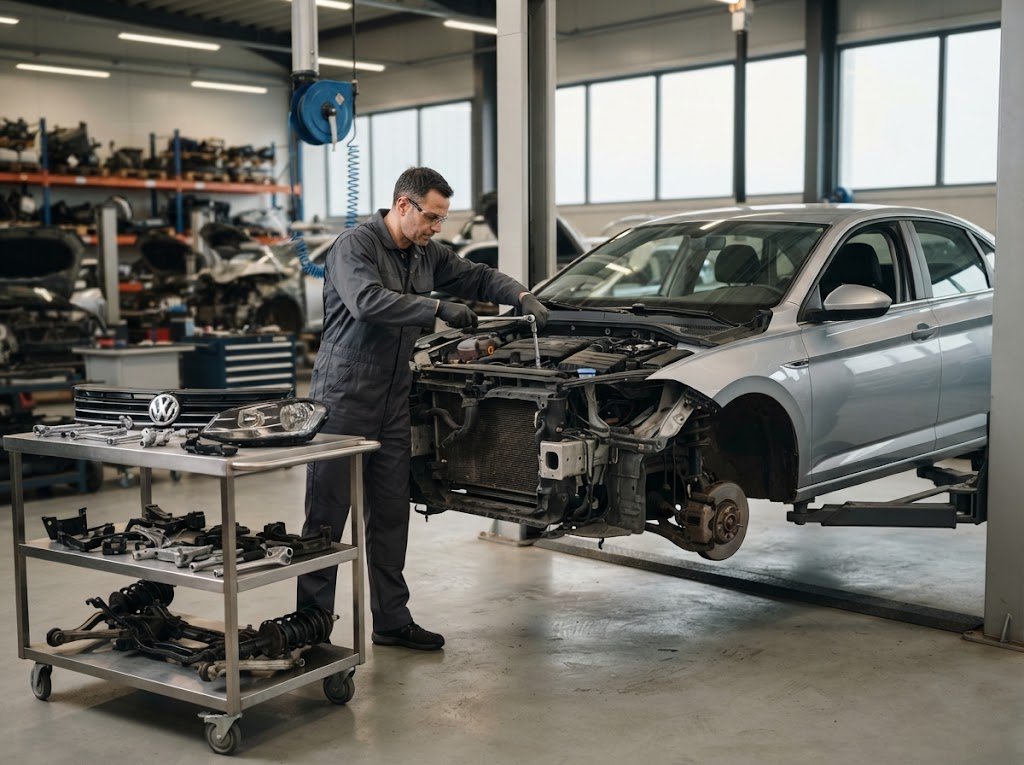
Carefully remove usable automotive components for further processing.
Separate reusable parts from materials prepared for responsible recycling.
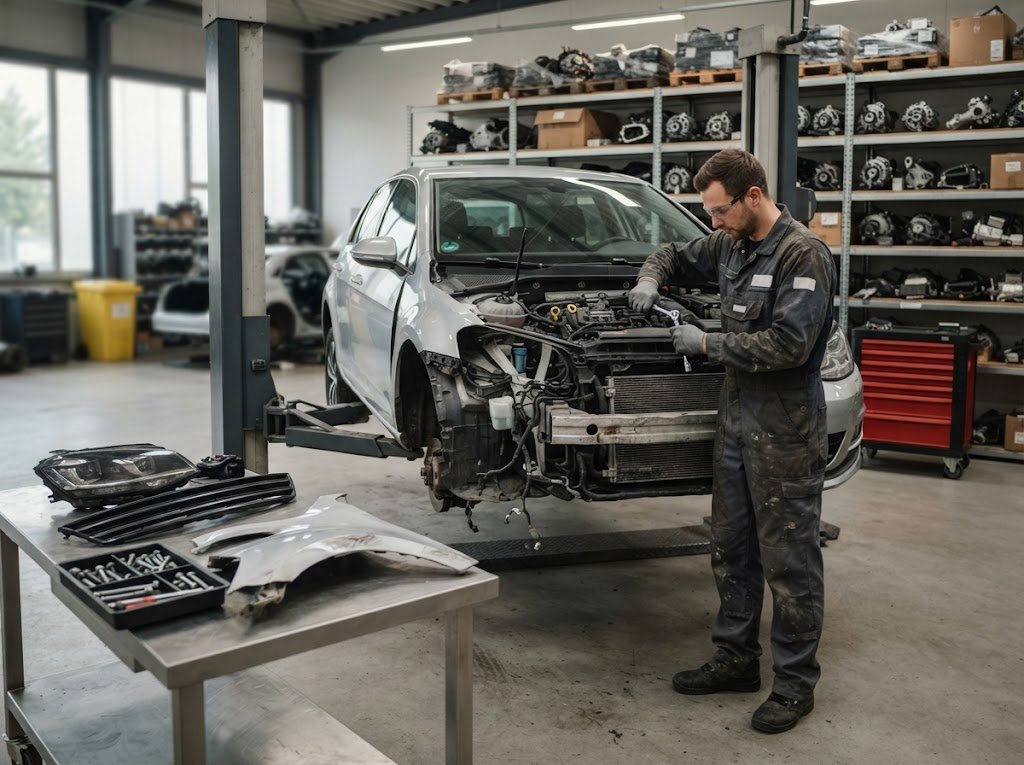
Professional vehicle dismantling is a controlled process of evaluating, separating and recovering components from a vehicle that can no longer continue operating as a complete unit.
From major mechanical assemblies to smaller electrical and body components, each stage helps determine what can remain in service and what should move into responsible material recovery.
The vehicle is assessed and prepared for systematic dismantling, allowing components to be identified before removal begins.
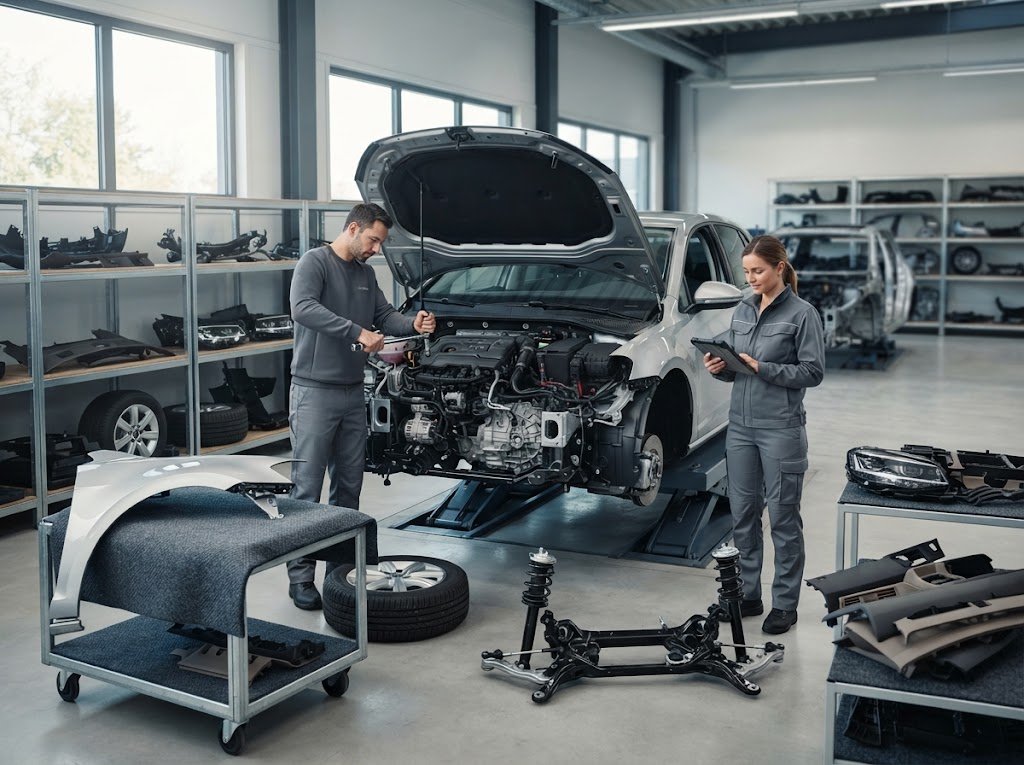
Engines, transmissions, panels, electronics and other reusable components are separated according to their recovery potential.
Remaining materials are sorted into appropriate recovery streams to support reuse, recycling and responsible vehicle processing.
Our approach: carefully recover useful components first, separate materials responsibly and reduce unnecessary automotive waste.
A damaged vehicle may no longer be suitable for the road as a complete vehicle, but many of its individual components may still have useful life. Our dismantling process helps identify and recover components with the potential for continued use.
Major mechanical assemblies and recoverable vehicle components.
Gearboxes, drivetrain assemblies and related mechanical systems.
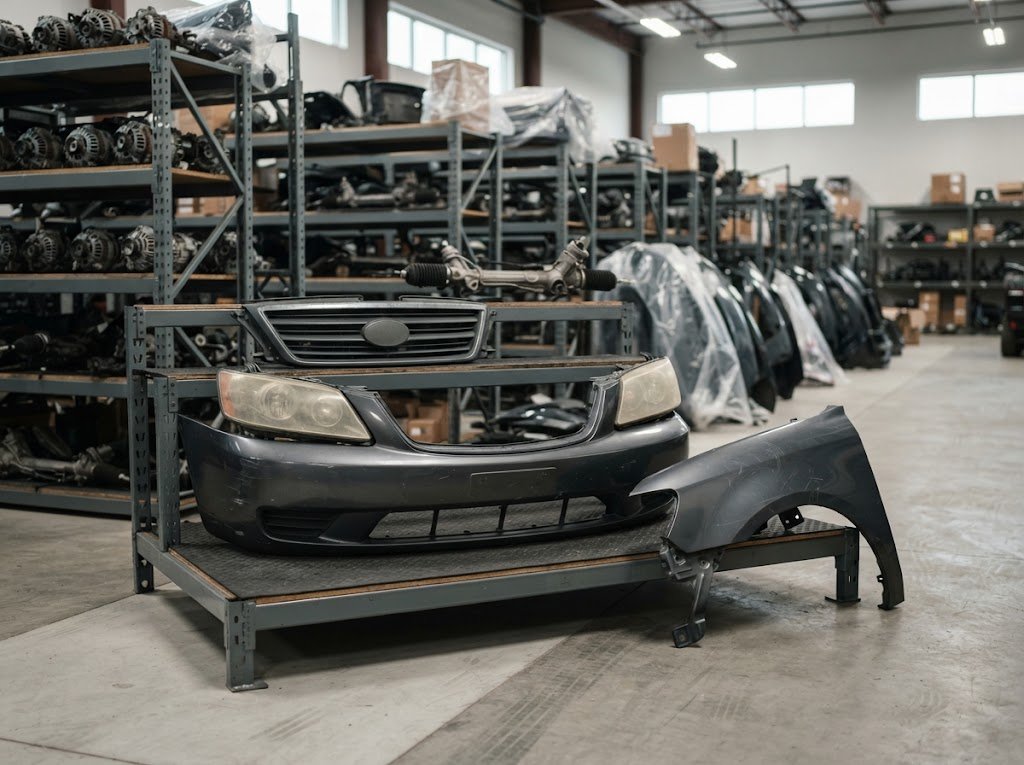
Doors, panels, bumpers, mirrors and other recoverable exterior parts.
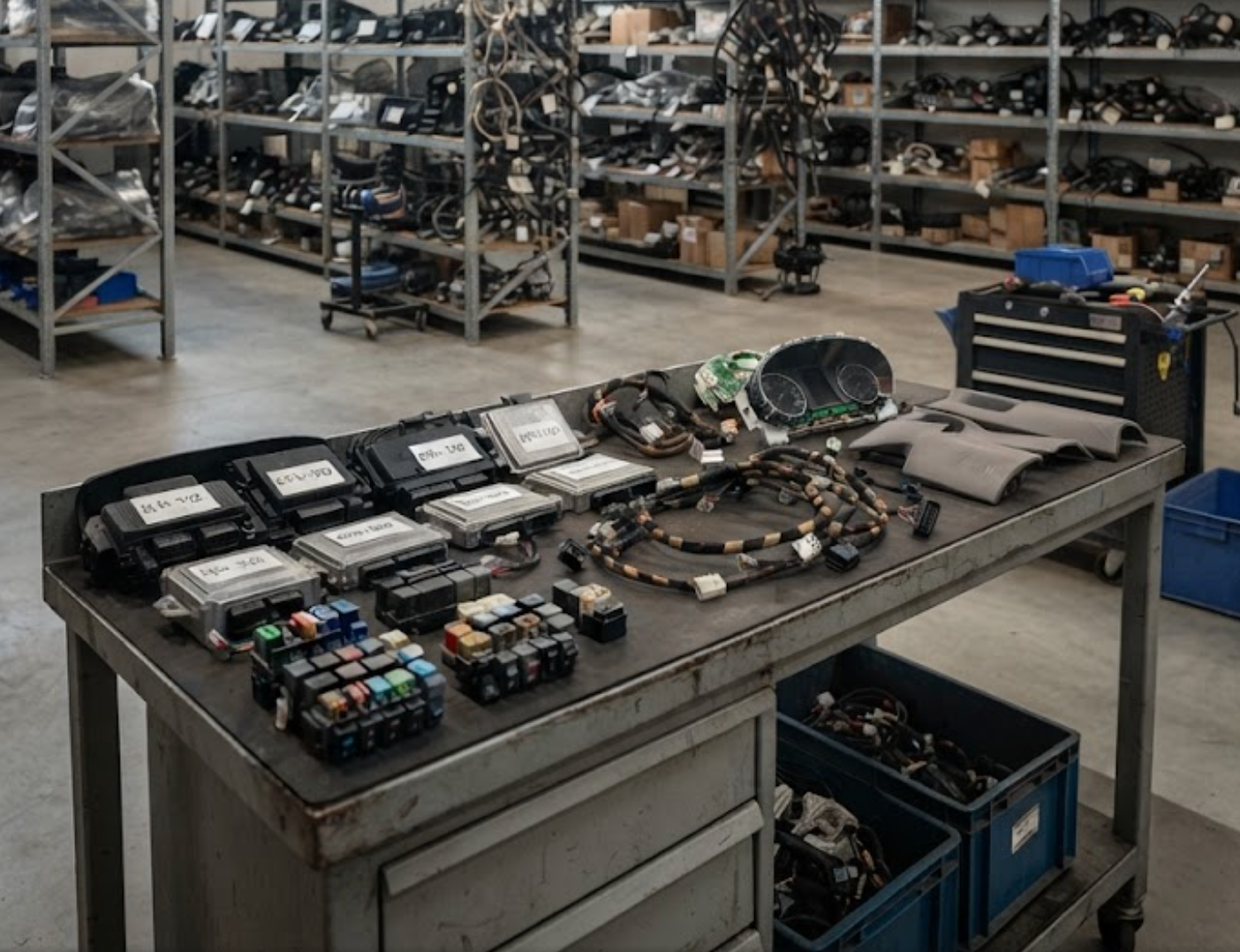
Lighting, modules, switches and selected electronic components.
Seats, dashboards, trims and selected usable interior assemblies.
Wheels, suspension assemblies and other recoverable vehicle systems.
Effective vehicle dismantling requires more than simply removing parts. Our process is structured around identifying recoverable components, handling materials systematically and maintaining an organized approach from vehicle intake through final processing.
Components are removed in an organized sequence rather than through unnecessary destructive dismantling.
Recoverable assemblies are identified and separated according to their type and potential for continued use.
Recovered components and remaining materials are handled through clearly organized processing stages.
Materials without further recovery potential are separated for appropriate recycling and processing.
Dismantling is only one stage of the recovery process. Once useful components have been removed, they move through organized stages designed to identify, prepare and return recoverable parts to the automotive market.
This approach helps extend the useful life of automotive components while ensuring that materials with no further recovery value can move toward appropriate recycling channels.
Engines, transmissions, electrical systems, body panels and other usable components are separated from the dismantled vehicle based on their recovery potential.
Recovered components are grouped and organized according to their category, application and potential role within the used automotive parts supply process.
Suitable recovered components can become part of the used automotive parts supply chain, helping customers find practical replacement solutions for their vehicles.
Our recovery principle: remove what can still serve a purpose, organize what can be reused, and responsibly process what cannot.
Every damaged vehicle is different. Depending on its condition, many components may still hold practical value and can be recovered during the dismantling process for further organization, reuse or responsible material processing.
Depending on condition, engines and major mechanical assemblies may be identified for further recovery and processing.
Transmission and drivetrain components may be removed and separated according to their condition and recovery potential.
Panels, bumpers, lighting assemblies and other exterior components may retain value beyond the vehicle's original condition.
Selected electrical, electronic and interior components may be recovered and organized for possible continued automotive use.
Please note: component recovery depends on the individual vehicle, accident damage and overall condition of each part. Not every component is suitable for recovery or reuse.
Professional vehicle dismantling is more than simply taking a vehicle apart. It is a structured process focused on identifying recoverable value, separating useful components and handling the remaining materials in a more responsible way.
Identifying components and materials that may still hold practical value.
Components are separated and handled as part of a structured dismantling process.
Suitable automotive components may continue serving a useful purpose beyond the vehicle.
Recoverable materials are considered before the remaining vehicle is processed.
Someone in Tampa, Florida is viewing used auto parts.
Omni Corp Auto Salvage