01 / Metals
Steel & Aluminium
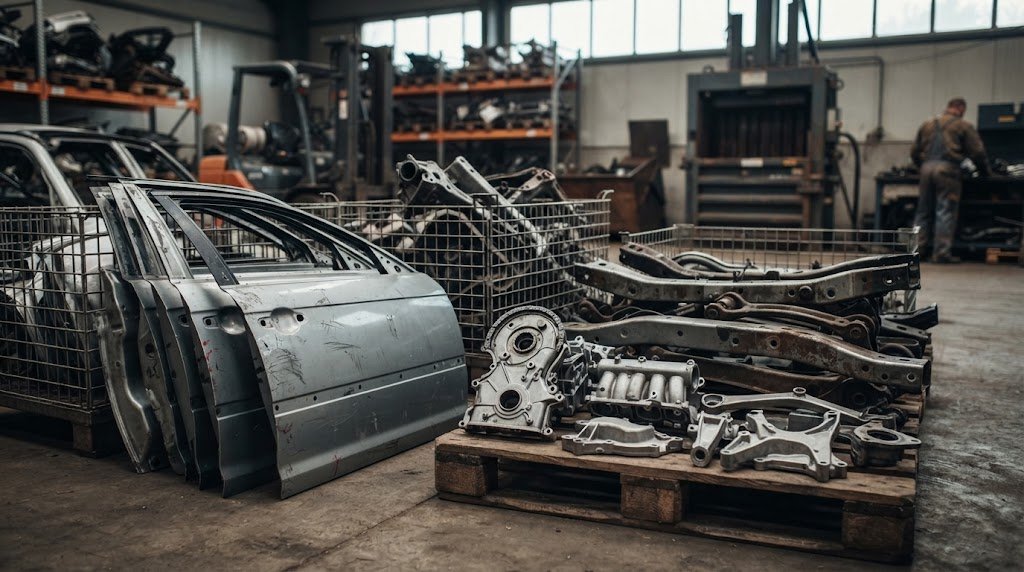
Vehicle structures and metal components can be separated for further material recovery and recycling.
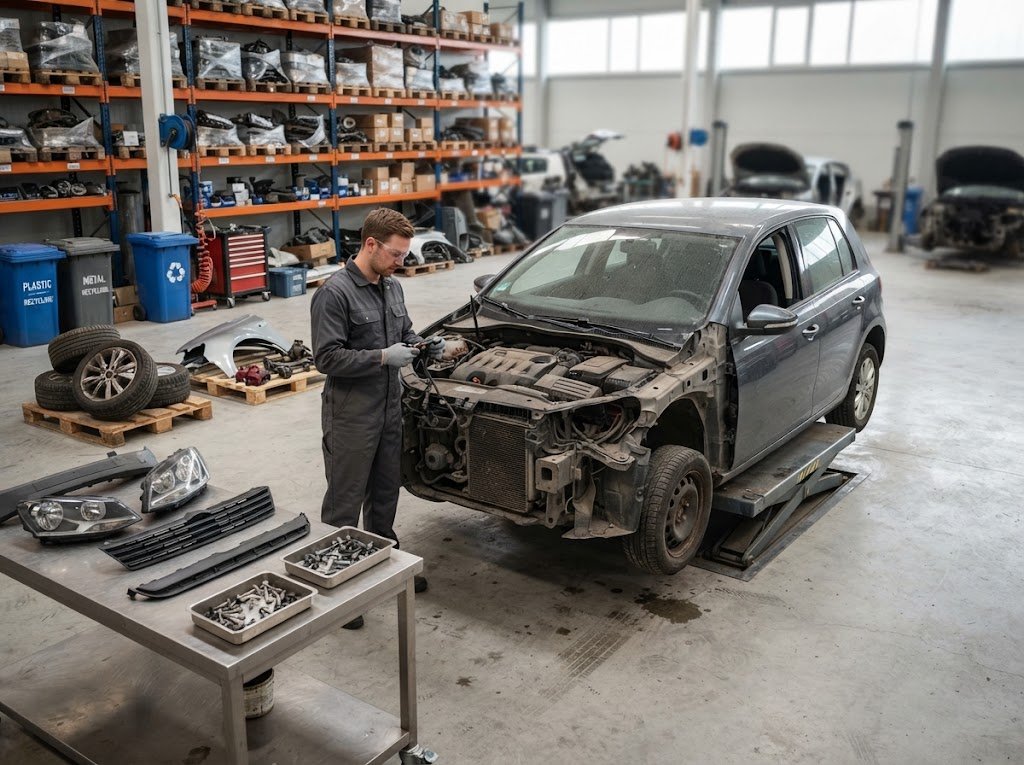
Not every vehicle can return to the road, but that does not mean every part or material has reached the end of its useful life. At Omni Corp Auto Salvage, vehicles that can no longer be repaired are carefully processed to identify recoverable components and recyclable automotive materials.
Vehicles are reviewed to identify what can still be recovered or processed.
Reusable materials and components are separated from the vehicle.
Remaining recyclable materials are directed toward responsible processing.
Responsible recovery begins by seeing value where others see waste.
End-of-life vehicles contain far more than scrap metal. Depending on their condition, components and materials can be separated, recovered and redirected into useful applications.
Our recycling process focuses on identifying recoverable value before the remaining vehicle materials are prepared for responsible recycling.
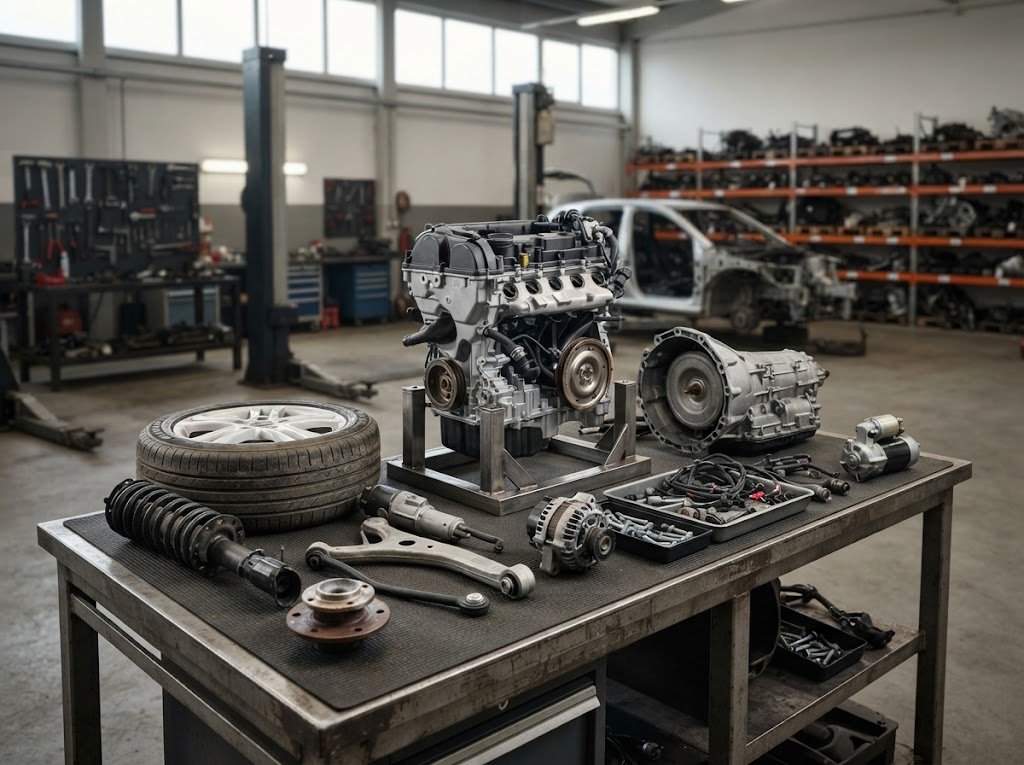
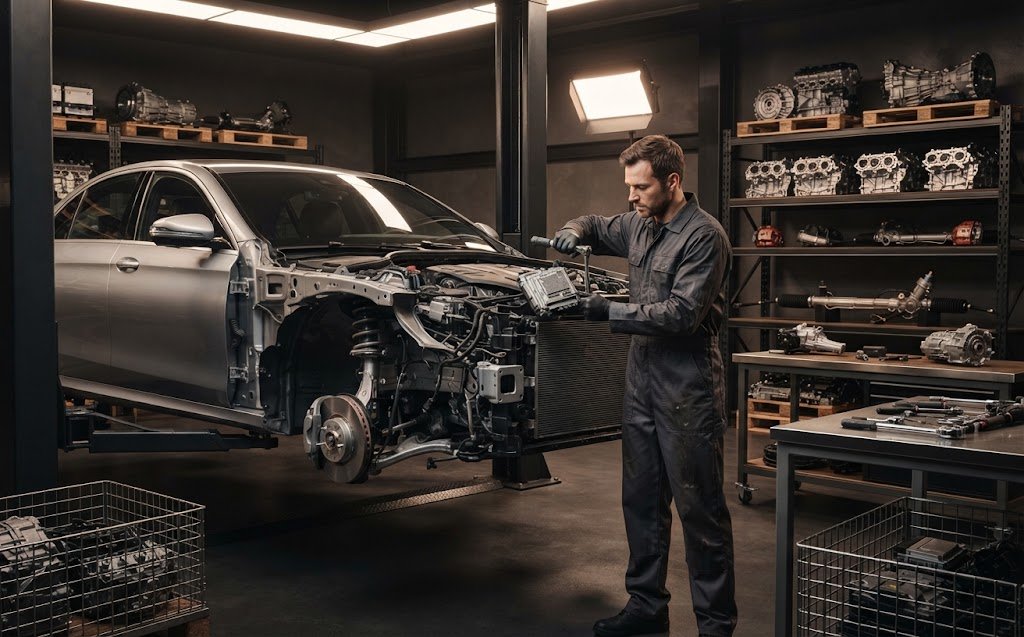
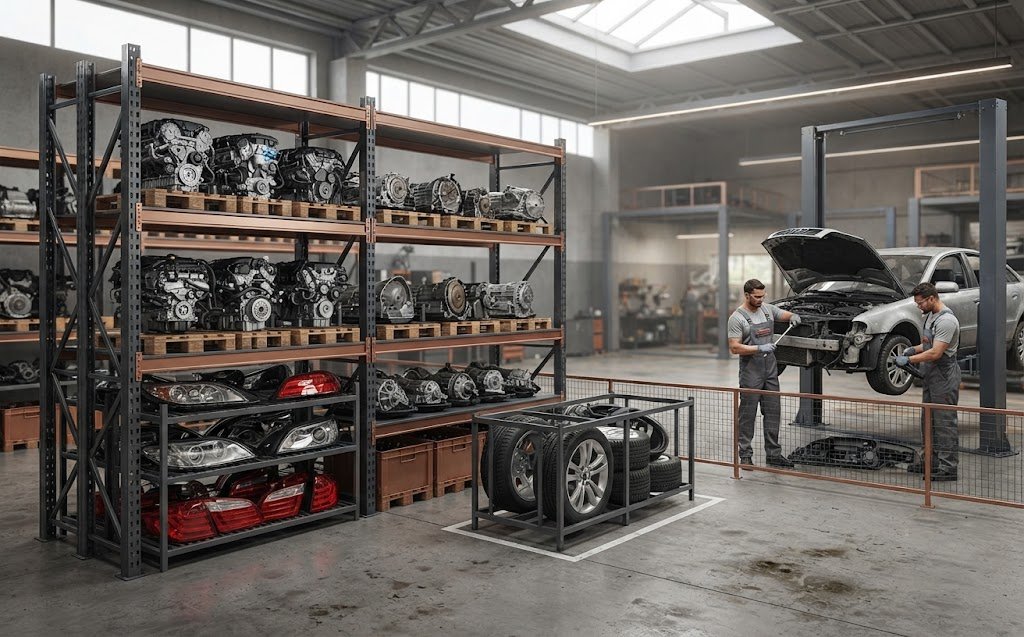
Where condition allows, engines, transmissions, wheels, suspension components, electrical parts, interior components and other usable items can be recovered for continued service.
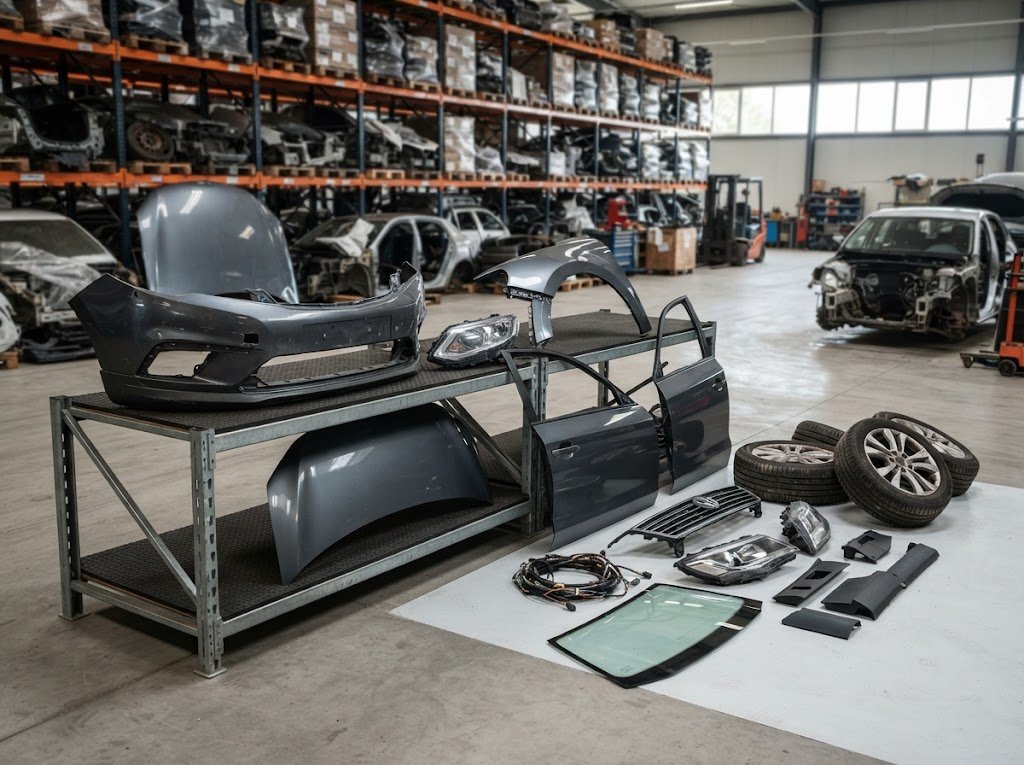
Body panels, wheels, wiring, glass, plastics and other vehicle materials may be separated according to their condition and recovery potential.
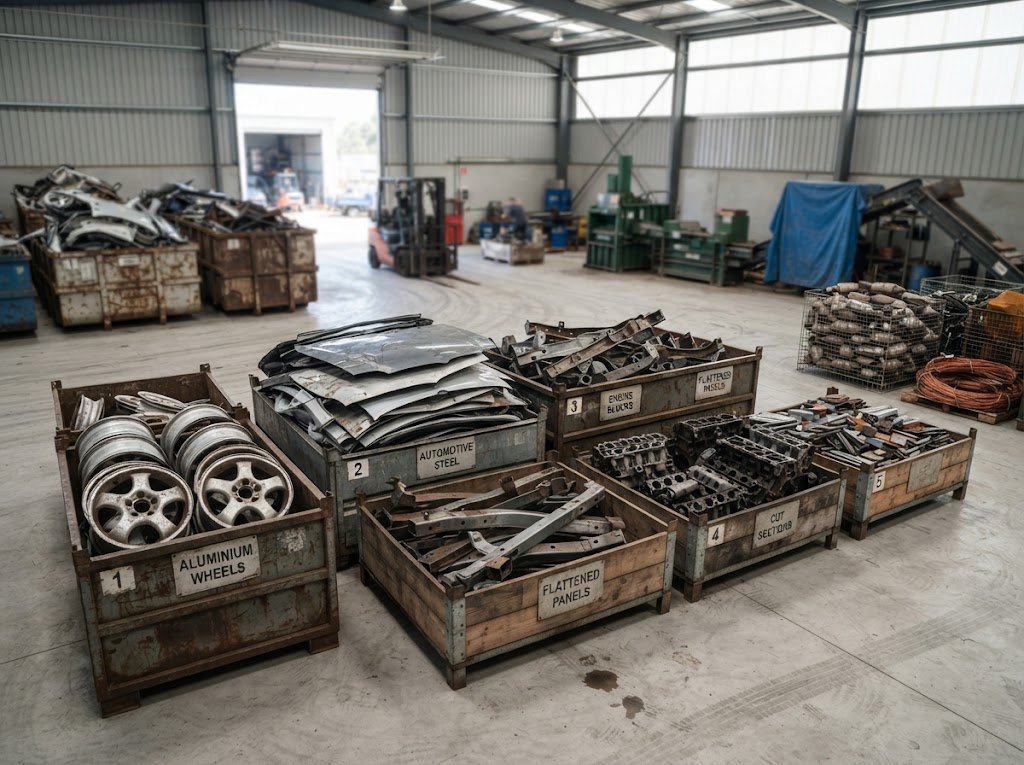
Steel, aluminium and other recoverable metals are separated from end-of-life vehicles and directed toward appropriate recycling streams.
Recovery before disposal. Our objective is to identify useful components and recyclable materials before the remaining vehicle is processed as scrap.
We recover usable components before responsibly processing the remaining vehicle materials, helping keep valuable automotive resources in circulation for as long as possible. Through a structured recycling and recovery process, vehicles are assessed for reusable parts, recyclable metals, plastics, electrical components and other materials that may still have practical value. By separating and directing these resources into appropriate recovery streams, we reduce unnecessary waste while supporting a more efficient and responsible approach to end-of-life vehicle management..
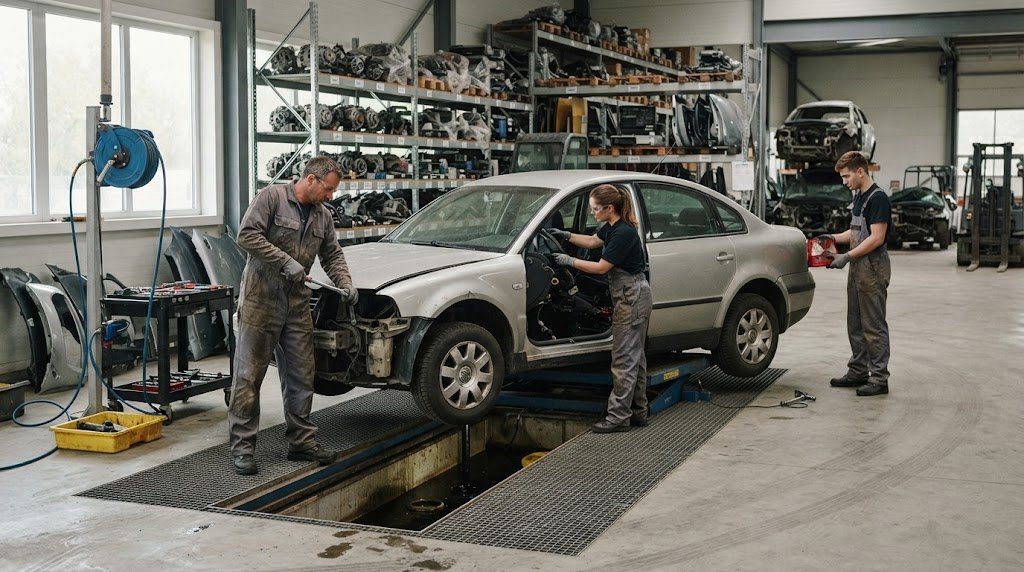
Each vehicle is assessed to identify components and materials that can still provide value.
Usable mechanical, electrical and body components are carefully recovered for continued use.
Remaining vehicle materials are separated so that metals and other recoverable resources can be processed.
Materials that cannot be reused are directed toward responsible recycling and recovery streams.
A vehicle contains far more than parts that can be reused. Once recoverable components have been identified, remaining materials can continue through the recycling process and be directed toward further recovery.
Vehicle structures and metal components can be separated for further material recovery and recycling.
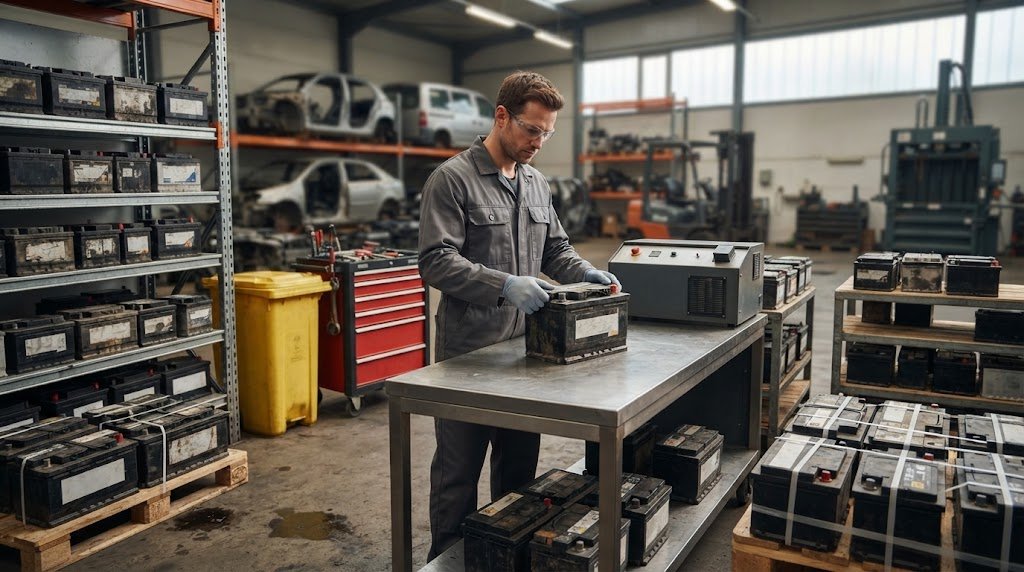
Automotive batteries require appropriate handling and processing as part of a responsible vehicle recovery process.
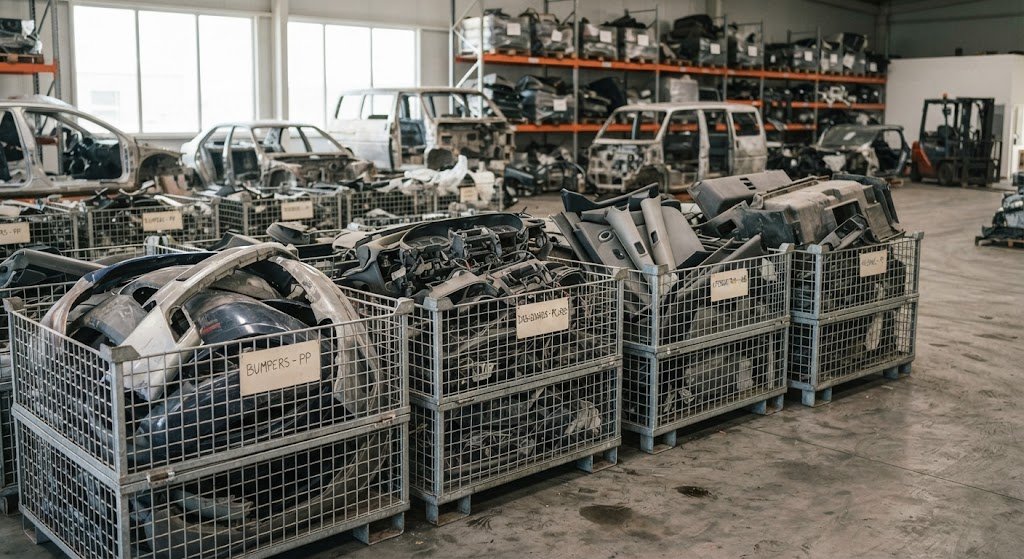
Selected plastic materials and components can be sorted for appropriate recovery and recycling channels.
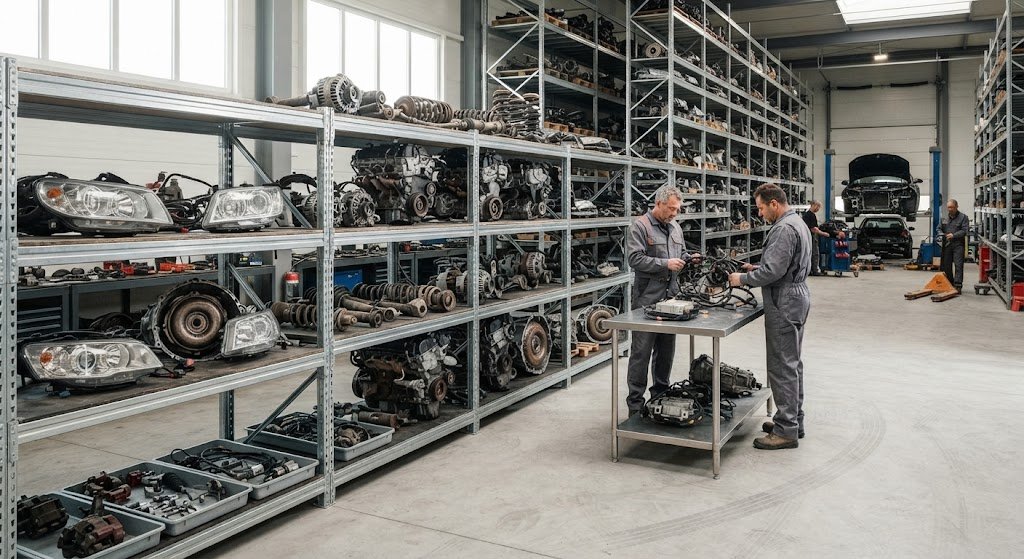
Suitable automotive components are recovered before material processing, extending their useful service life.
Our recovery priority: reuse what can continue serving a purpose, then recover materials from what cannot.
When vehicles reach the end of their usable life, responsible recovery can help reduce unnecessary waste while keeping valuable automotive parts and materials in circulation for longer.
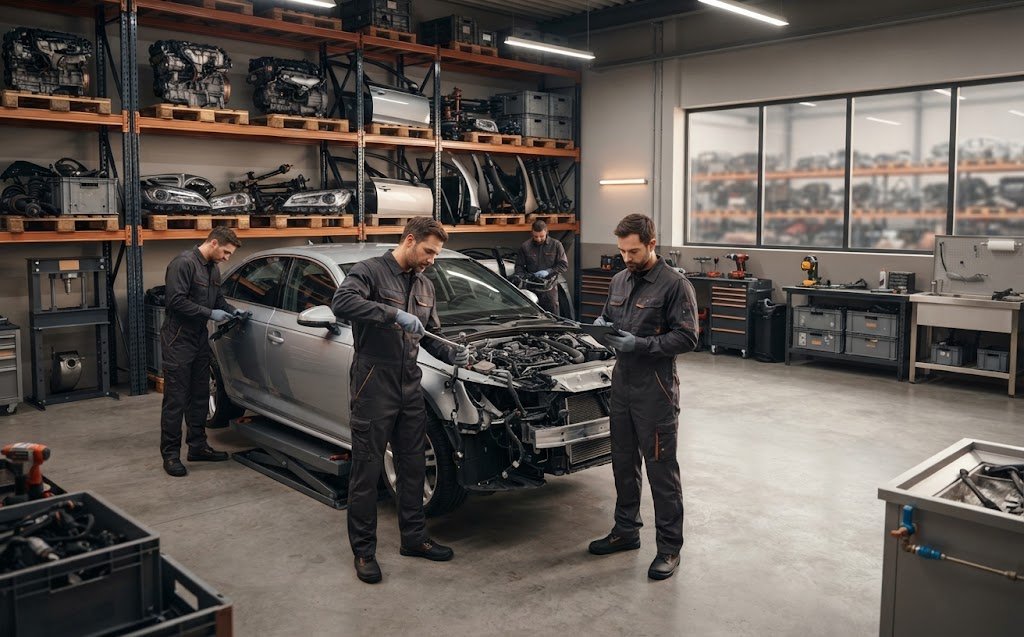 01
Suitable automotive components can continue serving drivers and repair professionals instead of becoming unnecessary waste.
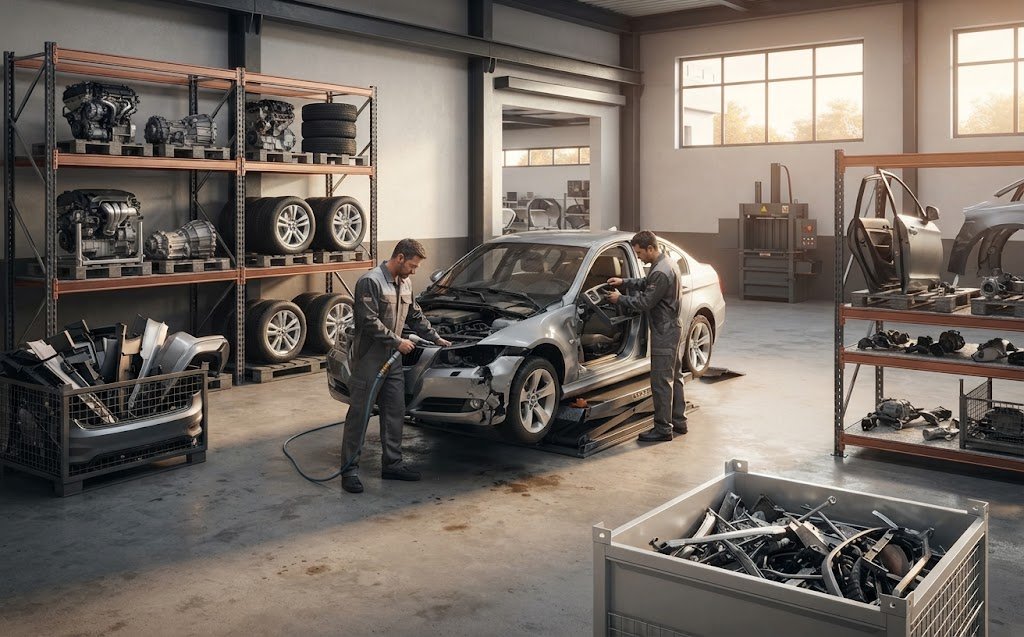 02
Valuable metals and selected vehicle materials can be recovered and directed into appropriate recycling streams.
 03
Structured vehicle processing helps reduce the amount of potentially recoverable material treated as waste.
 04
Recovering usable parts and materials helps keep automotive resources moving through the economy for longer.

If you have an accident-damaged, non-running, unwanted or end-of-life vehicle, Omni Corp Auto Salvage can help you explore its remaining recovery potential. From reusable parts to recyclable materials, every vehicle deserves a proper assessment.